When I started building websites back in 1998, each site was meticulously crafted line by line in Notepad. Every page was unique, each requiring its own hand-coded touch. Then came content management systems (CMS), transforming web development. Initially, I worked with Drupal, but as technology evolved, I shifted to WordPress, now one of the most popular CMS platforms available.
Today, besides WordPress, there are other options like Wix, Squarespace, and Duda. Each of these platforms offers distinct advantages, especially for those who aren’t developers or prefer a simpler user interface. However, one significant downside to these platforms is the lack of portability. If your website is entirely reliant on their infrastructure, you’re locked in—unable to migrate if the platform changes, or worse, shuts down. It may sound unlikely, but if it happened, your website (and by extension, your revenue stream) would disappear.
The Power of Open-Source with WordPress
Unlike Wix or Squarespace, WordPress is an open-source platform, giving you the freedom to download, host, and back up your site independently. I use WordPress.org, where I handle everything on a secure, renewable-energy-hosted server in the UK, ensuring GDPR compliance and daily backups. And if anything happens to my hosting provider, I can easily restore my website with these backups.
For business owners, this flexibility is essential. If you rely on platforms like Wix or Shopify, any disruption to their service could result in lost sales and data. With WordPress, you have a contingency plan—you own your data, and you can move your website to another host if needed.
Customisation and Ownership
Some might think that developing in WordPress is just another form of drag-and-drop, but WordPress offers substantial flexibility. I often work with OceanWP and SiteOrigin, combining out-of-the-box themes with custom CSS to create unique designs. Sure, I use a builder, but the depth of customisation goes beyond simple drag-and-drop, involving PHP, HTML, and CSS to tailor each site to the client’s needs.
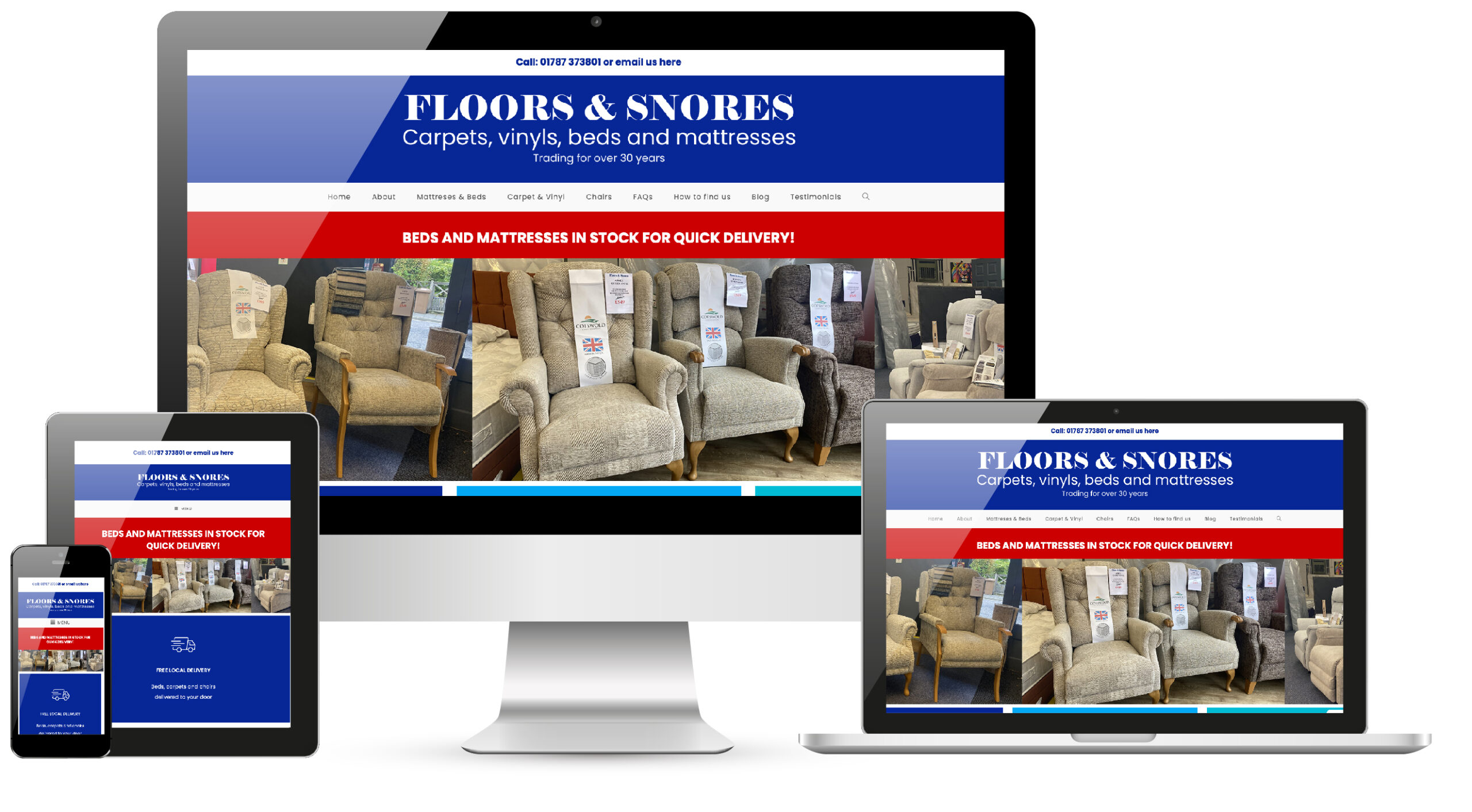
Here are three websites we've built with one WordPress theme


Know Your Options: Choosing the Right Platform for Your Comfort Zone
Ultimately, choosing a website platform depends on your comfort zone and your business’s needs. I’m hosting a “Where to Start with a Website” webinar, where I’ll break down the pros and cons of each platform—WordPress, Squarespace, Shopify, and more—to help you make an informed decision. For instance, with WordPress, you own your content and have full control. With some other platforms, you’re renting space within their ecosystem.
If you’re considering a new website or want to know more about the benefits of an open-source approach, join us for the webinar and gain a clearer understanding of what will best support your business.